

Are We Entering the Era of Synthetic Culture?
Images have always shaped how we understand the world. They document events, construct identities, communicate ideologies, and transform distant realities into shared cultural experiences. But something fundamental is changing. Images are no longer produced only by photographing, recording, or interpreting the world. Today, they can be generated without the world ever having existed.
We are surrounded by an unprecedented volume of visual content across social media, advertising, entertainment, and increasingly, art. Much of this content no longer originates directly from human observation or experience. It is synthetic: generated through systems trained on the accumulated visual production of humanity. In this sense, it is neither entirely autonomous nor entirely human, but a derivative of human culture.
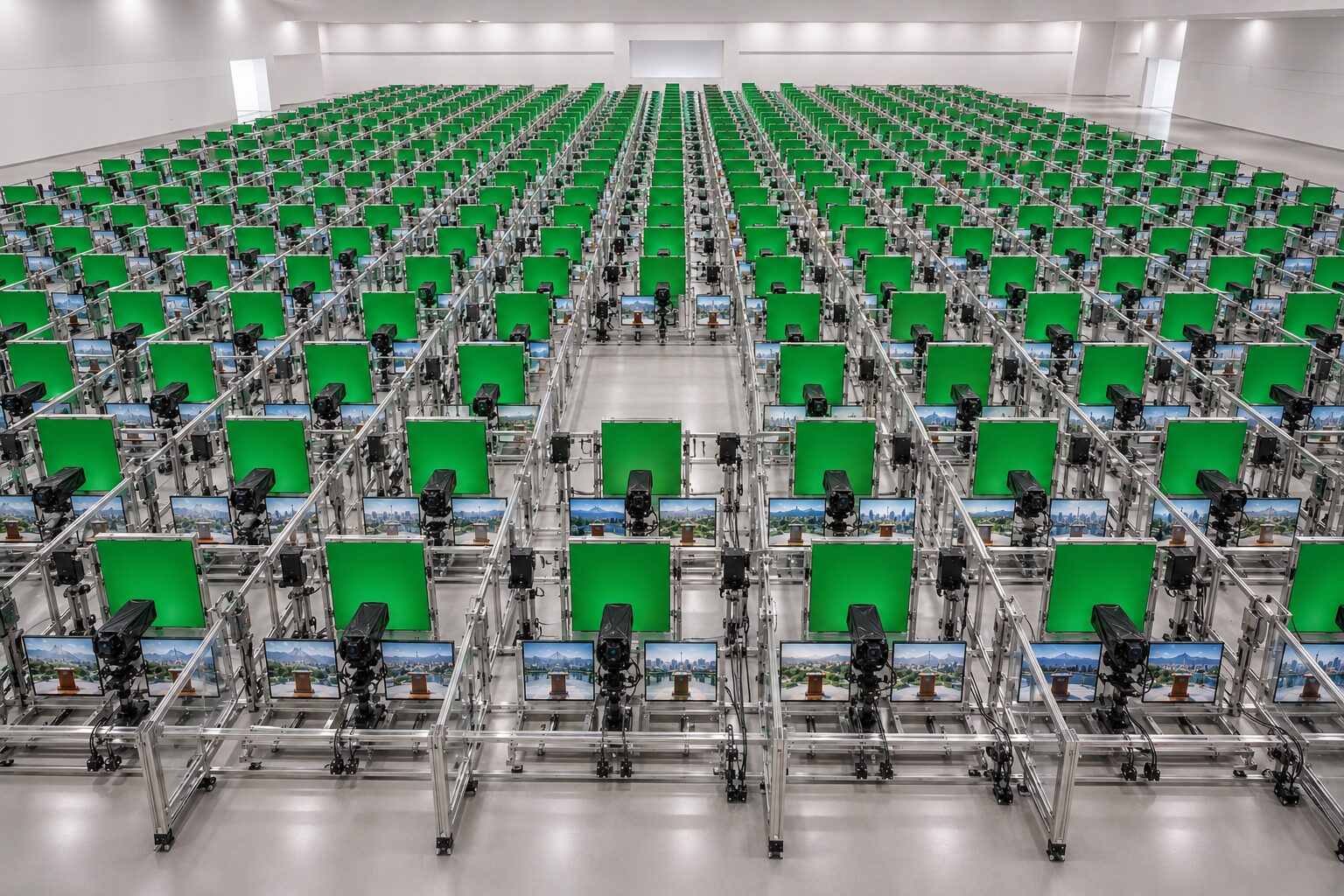
We are witnessing a transition from a visual culture that represents reality to a synthetic culture capable of generating it. As artificial intelligence produces increasingly convincing images, narratives, identities, and environments, the boundaries between what is documented, imagined, and manufactured become progressively unstable.
Culture is now being created through increasingly complex interactions between human intention, algorithms, datasets, platforms, and machines. Generated content, personalised feeds, virtual identities, deepfakes, and algorithmic narratives construct different versions of reality for different individuals. We may no longer inhabit one shared visual world, but multiple realities continuously produced and adapted by new systems.
This transformation is also changing the way we look at images. In the past, we might have contemplated an image in an attempt to discover something mysterious, unfamiliar, or hidden within it. We asked: What does this image mean? What is it trying to reveal? Today, a more immediate question often comes first: Did this ever exist?
The issue is not simply that artificial intelligence can produce convincing simulations. A deeper transformation occurs when synthetic content returns to the cultural environment from which AI systems continue to learn. AI absorbs existing culture, generates new material from it, and releases that material back into circulation. Culture begins to reproduce synthetic versions of itself, creating a continuous feedback loop between human production and machine-generated interpretation.
It remains unclear where this process will lead. Who will control the systems producing these images? What forms of reality will they normalise? Which histories, identities, and aesthetics will become more visible, and which will gradually disappear?
Perhaps the role of artists is not simply to resist these technologies, nor to demonise or glorify them. Artists can observe, interpret, question, and interrupt the systems through which synthetic realities are constructed. They can help us understand this unprecedented moment and question the new visual order taking shape around us.
We may not be entering an entirely artificial world. But we are entering one in which the distinction between experienced reality and generated reality is becoming increasingly difficult to maintain.
Leave a Reply